

Navigating the paperwork involved in buying a home in Utah can feel overwhelming, but understanding the core documents is the key to a smooth transaction. According to recent industry data, the average time to close on a home in the United States is approximately 47 days, with documentation errors being a primary cause of delays. This guide breaks down every critical file you will encounter, from initial offers to final closing, ensuring you are prepared for every step of the journey with Brandon McBride Real Estate.
The Purchase Agreement: Your Legal Blueprint
The journey begins with the Purchase and Sale Agreement. This document serves as the binding contract between you and the seller, outlining the price, contingencies, and timeline. In Utah, this agreement is highly standardized but requires careful attention to detail to protect your interests.
Essential components include the purchase price, earnest money deposit amount, and specific contingencies. Contingencies are clauses that allow you to back out of the deal without penalty under certain conditions, such as financing falling through or a low appraisal. Working with an experienced agent ensures these terms are drafted to safeguard your deposit and timeline.
For a deeper understanding of the buying process, you can explore the Buy With Brandon page, which details the VIP Buyer Program and exclusive benefits available to your clients.
Mandatory Seller Disclosures
Utah law requires sellers to provide specific disclosures about the property's condition. These documents are critical for identifying potential red flags before you commit to the purchase. The most common is the Seller’s Property Disclosure Statement, which details known issues with the home’s systems, roof, foundation, and utilities.
Additionally, you may encounter lead-based paint disclosures for homes built before 1978, or radon gas disclosures if the property is in a high-risk zone. According to the Environmental Protection Agency, radon is the second leading cause of lung cancer in the United States, making this disclosure vital for long-term health safety.
Reviewing these documents thoroughly allows you to negotiate repairs or credits. If you need a professional evaluation of a property's value and condition, utilize the Home Worth Evaluation tool to get an accurate assessment.
Financing and Loan Documentation
Securing a mortgage involves a significant amount of paperwork. Once you are pre-approved, you will receive a Loan Estimate, which outlines the projected costs of your loan. This document must be provided within three business days of your application.
You will also need to provide proof of income, such as pay stubs, tax returns, and bank statements. The lender will verify this information to ensure you meet their underwriting guidelines. The Consumer Financial Protection Bureau provides extensive resources on understanding mortgage terms and protecting your financial data during this process.
Understanding your loan options is crucial. Whether you are considering a conventional loan, FHA, or VA loan, the documentation requirements vary slightly. For personalized guidance on loan types and down payment requirements, visit the Home Loan Process section on our website.
Inspection and Appraisal Reports
Two critical reports will shape the final stages of your transaction: the home inspection and the appraisal. The home inspection is a visual examination of the physical structure and systems of the house. It is not a pass/fail test but rather a detailed report of the property's condition.
The appraisal, ordered by your lender, determines the fair market value of the home. If the appraisal comes in lower than the purchase price, you may need to renegotiate or bring additional cash to closing. According to the National Association of Realtors, appraisal gaps are a common challenge in competitive markets, making a knowledgeable agent essential for navigating these negotiations.
Our Active Listings are carefully vetted to ensure transparency, but every home deserves a thorough independent inspection to protect your investment.
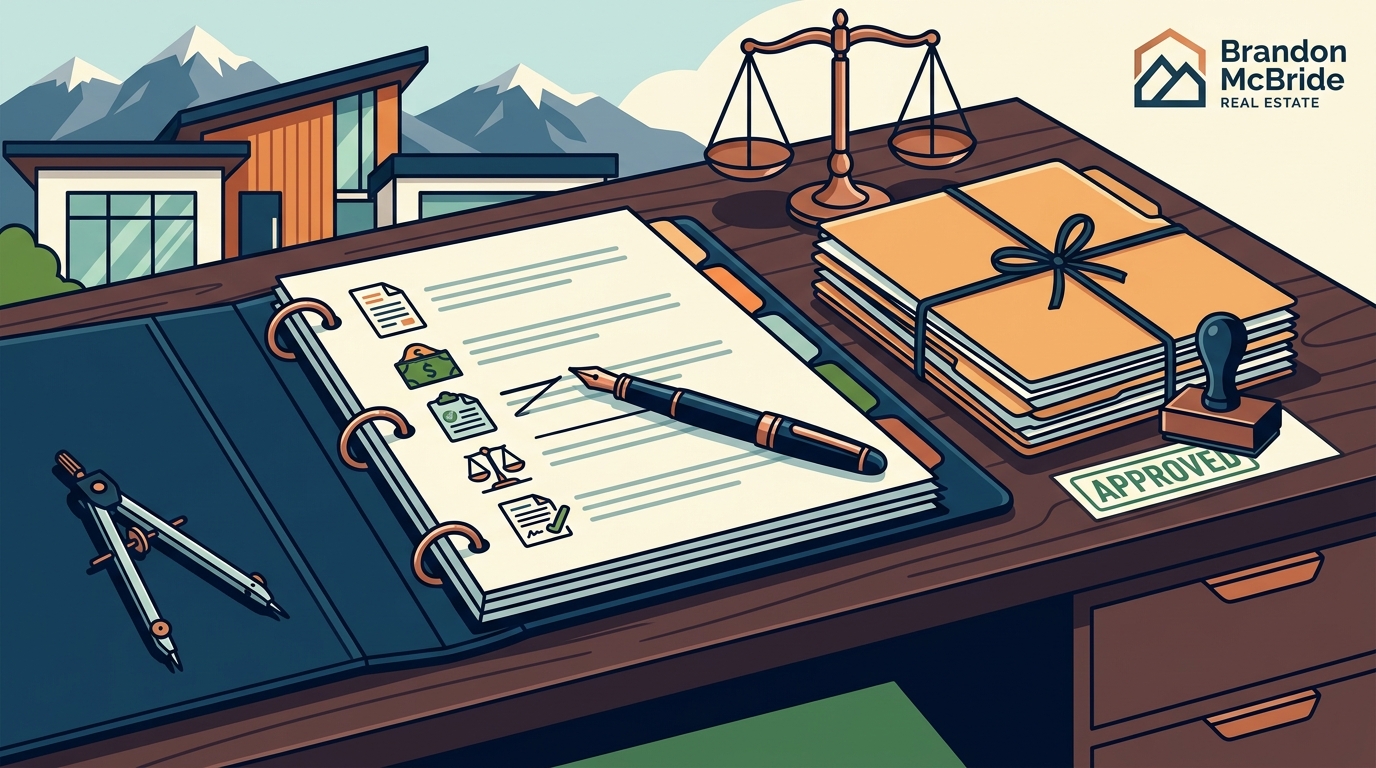
The Closing Disclosure and Final Walkthrough
Five days before closing, you will receive the Closing Disclosure (CD). This document details the final terms of your loan and the final costs you will pay. It is crucial to compare the CD with your initial Loan Estimate to identify any significant changes.
The final walkthrough is your last chance to inspect the property. Ensure that all agreed-upon repairs have been completed and that the home is in the expected condition. At closing, you will sign a mountain of documents, including the Promissory Note and the Deed of Trust.
For a stress-free closing experience, consider our Virtual Home Selling Program for sellers, or rely on our team to guide you through the buyer closing process with precision and care.
Key Takeaways
- The Purchase Agreement is the foundational legal contract that outlines all terms and contingencies.
- Seller Disclosures in Utah are mandatory and must detail known defects and environmental hazards.
- The Loan Estimate and Closing Disclosure are critical financial documents that must be compared for accuracy.
- Home inspections and appraisals protect your investment by verifying condition and value.
- Brandon McBride has successfully sold over 400 homes, providing proven expertise in document navigation.
- The "Love It or Leave It" guarantee offers unique peace of mind for buyers working with Brandon.
- Understanding these documents reduces stress and prevents costly delays in the closing process.
Frequently Asked Questions
How long does the document review process take?
The timeline varies, but typically you have 3 to 5 days to review the Purchase Agreement and disclosures before removing contingencies. Timely review is essential to keep the transaction on track.
What is the difference between a Loan Estimate and a Closing Disclosure?
The Loan Estimate is provided early in the process to show projected costs, while the Closing Disclosure is the final accounting of costs and loan terms received five days before closing.
Can I negotiate the seller's disclosures?
You cannot change the disclosures themselves, but you can negotiate repairs or price reductions based on the information revealed in those documents.
Do I need a lawyer to review real estate documents?
While not always required in Utah, having a real estate attorney review complex contracts can provide an extra layer of legal protection and clarity.
What happens if the appraisal is low?
If the appraisal is low, you can renegotiate the price with the seller, bring additional cash to cover the gap, or walk away if your financing contingency allows it.
How does the VIP Buyer Program help with paperwork?
The VIP Buyer Program includes a communication guarantee and a "Love It or Leave It" clause, ensuring you are supported and protected throughout the documentation and closing phases.
Are there local resources for first-time home buyers in Utah?
Yes, Utah offers various down payment assistance programs. Our team can connect you with trusted lenders who specialize in first-time buyer loans and local grants.
Start Your Home Buying Journey
Understanding the documentation involved in buying a home is the first step toward confidence and success. Whether you are looking for exclusive "Coming Soon" properties or need expert guidance on the Home Loan Process, Brandon McBride is here to help. Contact us today to schedule a consultation and take the first step toward your new home.