

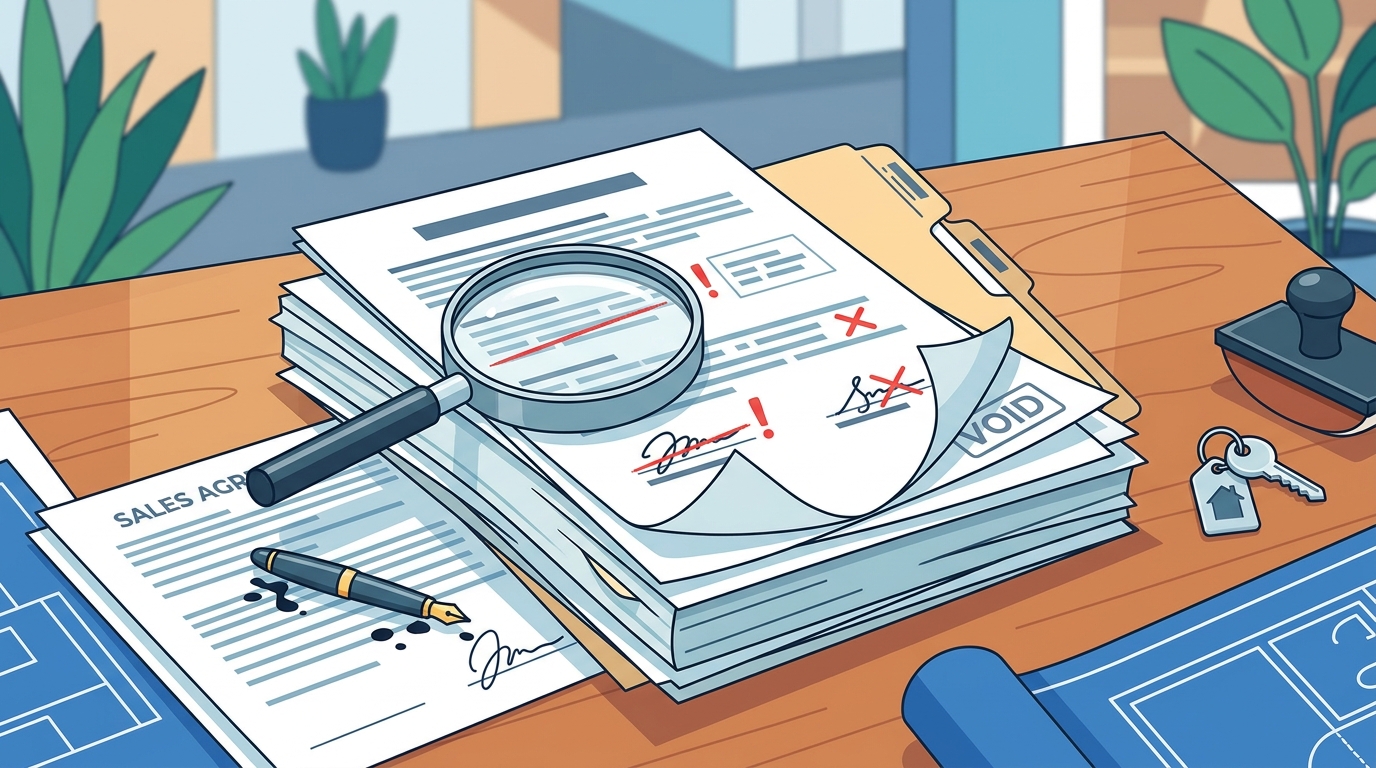
Buying a home is one of the most significant financial decisions you will ever make, yet the paperwork involved often catches buyers off guard. According to recent industry data, nearly 30% of home sale transactions experience delays or fall through due to errors in the contract or financing documents. These mistakes can range from minor clerical errors to critical legal oversights that jeopardize your deposit or your ability to close on time. Understanding the specific documents involved and the common pitfalls associated with each is essential for a smooth transaction. This guide breaks down the most frequent errors and provides actionable strategies to protect your interests.
Mistakes in the Purchase Agreement
The purchase agreement is the foundation of your real estate transaction. It outlines the terms under which you are buying the property, including the price, closing date, and contingencies. One of the most common mistakes buyers make is failing to clearly define their contingencies. A contingency is a condition that must be met for the contract to become binding. If you do not specify these conditions clearly, you may lose the ability to back out of the deal without penalty.
Another frequent error is neglecting to include personal property in the contract. Buyers often assume that fixtures like window treatments, appliances, or smart home devices will remain with the house. However, if these items are not explicitly listed in the purchase agreement, the seller is legally allowed to remove them before closing. To avoid this, ensure that all items you expect to stay are itemized in the contract addendum.
Timing is also critical in the purchase agreement. Buyers often set unrealistic closing dates that do not account for potential delays in financing or inspections. A rigid closing date without flexibility can lead to costly extensions or even the loss of the contract. It is advisable to build in a buffer period to accommodate unexpected delays. For more insights on the buying process, you can explore Brandon McBride's VIP Buyer Program, which emphasizes clear communication and structured timelines.
Financing and Loan Document Errors
Securing a mortgage is a complex process that involves numerous documents. One of the most significant mistakes buyers make is failing to disclose all financial information to their lender. This includes new debts, large deposits, or changes in employment status. Lenders require a clear paper trail for all funds used for the down payment and closing costs. If you cannot provide documentation for a large deposit, it may be flagged as an undisclosed debt, potentially delaying or denying your loan approval.
Another common error is not locking in your interest rate at the right time. Interest rates can fluctuate daily, and waiting too long to lock your rate can result in higher monthly payments. Conversely, locking too early might expose you to rate drop protection issues if the market shifts. It is important to work with a trusted lender who can guide you on the optimal timing for rate locks. Brandon McBride works closely with trusted lenders who specialize in various loan types, including VA and FHA loans, to ensure buyers understand these nuances.
Buyers also frequently overlook the importance of the Loan Estimate and Closing Disclosure forms. These documents detail the costs associated with your mortgage. Failing to compare these documents carefully can lead to unexpected fees at closing. Ensure that the fees listed in the Closing Disclosure match the Loan Estimate within acceptable tolerance levels. If there are significant discrepancies, address them with your lender immediately. For a deeper understanding of the financial aspects, you can visit the Mortgage Calculator on Brandon McBride's website to estimate your costs.
Inspection and Contingency Blunders
Home inspections are a critical step in the buying process, but buyers often make mistakes regarding the scope and timing of these inspections. One common error is waiving the inspection contingency to make an offer more competitive. While this might seem like a good strategy in a hot market, it exposes you to significant risk. If major issues are discovered after closing, you will be responsible for all repair costs. It is generally safer to include an inspection contingency and negotiate repairs or credits based on the findings.
Another mistake is failing to attend the home inspection. The inspection is your opportunity to ask questions and gain a firsthand understanding of the property's condition. By skipping this step, you miss out on valuable insights that could influence your decision to proceed or renegotiate. Additionally, buyers often overlook specialized inspections for issues like radon, mold, or structural integrity. These specialized inspections can reveal hidden problems that a general inspector might miss.
Timeliness is also crucial when it comes to inspections. Contracts typically have a strict deadline for completing inspections and submitting repair requests. Missing this deadline can result in the loss of your contingency rights. It is essential to schedule inspections as soon as possible after the contract is signed. For those looking for a stress-free experience, Brandon McBride offers a Virtual Home Selling Program that also supports buyers with streamlined processes.
Title and Closing Document Pitfalls
The title search is a vital part of the closing process, ensuring that the seller has the legal right to transfer ownership. A common mistake is failing to review the preliminary title report carefully. Errors in the title report, such as incorrect legal descriptions or undisclosed liens, can delay closing or even prevent the transfer of ownership. If you notice any discrepancies, address them with the title company immediately.
Another frequent error is not purchasing owner's title insurance. While lender's title insurance protects the lender, owner's title insurance protects you. It covers you against losses if title issues arise after you move in. Skipping this insurance can leave you vulnerable to costly legal battles. It is a small investment that provides significant peace of mind. For more information on the costs involved in selling or buying, you can review the Expenses of Selling Your Home guide, which also outlines buyer-side costs.
Finally, buyers often make mistakes during the final walk-through. This is your last chance to ensure the property is in the agreed-upon condition. Common errors include failing to verify that repairs were completed, checking that all included items are present, and ensuring that the property is free of debris. If issues are found during the walk-through, do not hesitate to delay closing until they are resolved. For a comprehensive view of available properties, check out Brandon's Active Listings.
Key Takeaways
- Define Contingencies Clearly: Ensure all contingencies, such as financing and inspection, are explicitly stated in the purchase agreement to protect your deposit.
- Document All Funds: Provide a clear paper trail for all down payment and closing cost funds to avoid lender delays or denials.
- Never Waive Inspections Blindly: Waiving inspection contingencies can lead to costly surprises; always conduct thorough inspections.
- Review Title Reports: Carefully examine the preliminary title report for errors or liens to prevent closing delays.
- Purchase Owner's Title Insurance: Protect your investment against future title issues by securing owner's title insurance.
- Conduct a Final Walk-Through: Verify the property's condition and the presence of included items before closing.
- Work with an Experienced Agent: Partner with a trusted agent like Brandon McBride to navigate complex documents and processes.
Frequently Asked Questions
What is the most common mistake in a purchase agreement?
The most common mistake is failing to clearly define contingencies, which can leave buyers without an exit strategy if conditions are not met.
Do I need to attend the home inspection?
Yes, attending the home inspection allows you to ask questions and gain a better understanding of the property's condition.
What happens if I miss the inspection deadline?
Missing the inspection deadline can result in the loss of your contingency rights, making it difficult to back out of the contract.
Is owner's title insurance necessary?
Yes, owner's title insurance protects you against losses from title issues that may arise after you move in.
How can I avoid financing delays?
Disclose all financial information to your lender and provide documentation for all funds used for the down payment and closing costs.
What should I check during the final walk-through?
Verify that repairs were completed, all included items are present, and the property is free of debris.
Can I negotiate the real estate commission?
Yes, real estate commissions are negotiable. Brandon McBride offers flexible commission structures, including Standard, Premium, and Elite packages.
Start Your Home Buying Journey with Confidence
Avoiding document mistakes is crucial for a successful home purchase. By understanding the common pitfalls and taking proactive steps to address them, you can protect your investment and ensure a smooth transaction. Brandon McBride is dedicated to guiding you through every step of the process, from finding your dream home to closing the deal. Contact Brandon today to learn more about his VIP Buyer Program and how he can help you achieve your real estate goals.