Essential Criteria for Evaluating Properties During the Home Buying Process
Buying a home is the largest financial commitment most individuals will ever make, yet the decision-making process is often fraught with emotional bias rather than rigorous analysis. According to the National Association of Realtors, the median age of first-time home buyers is 36, indicating a shift toward more deliberate, data-driven purchasing behaviors in 2024 and beyond. This guide outlines the critical evaluation criteria that separate a sound investment from a costly mistake. By focusing on structural integrity, financial transparency, and lifestyle alignment, you can navigate the complex Utah real estate market with confidence. Whether you are exploring exclusive buyer programs or simply starting your search, understanding these fundamentals is non-negotiable.
Structural and Physical Assessment
The physical condition of a property dictates not only your immediate comfort but also your long-term financial liability. Many buyers focus exclusively on aesthetics, such as paint colors or kitchen finishes, while ignoring the bones of the house. This is a critical error. A thorough evaluation must begin with the foundation, roof, and major mechanical systems. (Brandon McBride Real Estate)
The Foundation and Roof Integrity
Foundation issues are among the most expensive repairs in real estate, often costing tens of thousands of dollars to rectify. When evaluating a property, look for cracks in the basement walls, uneven floors, or doors that stick. These are early warning signs of structural settling. Similarly, the roof is the first line of defense against the elements. In Utah, where weather patterns can be unpredictable, a roof with less than five years of remaining life is a significant red flag. Zillow research indicates that homes with newer roofs sell faster and at higher premiums because buyers perceive less risk.
Mechanical Systems and Age
HVAC systems, water heaters, and electrical panels have finite lifespans. An HVAC system older than 15 years may be nearing the end of its useful life. Replacing these systems is not a matter of "if" but "when." During your evaluation, ask for maintenance records and the age of these components. If the seller cannot provide this data, consider it a liability. According to the National Association of Realtors, homes with updated mechanical systems command a higher resale value because they reduce the buyer's immediate capital expenditure.
Financial Transparency and Hidden Costs
Evaluating a property is not just about the listing price. It is about the total cost of ownership. Many buyers get caught up in the monthly mortgage payment without considering the ancillary costs that erode their equity.
Understanding Closing Costs and Commissions
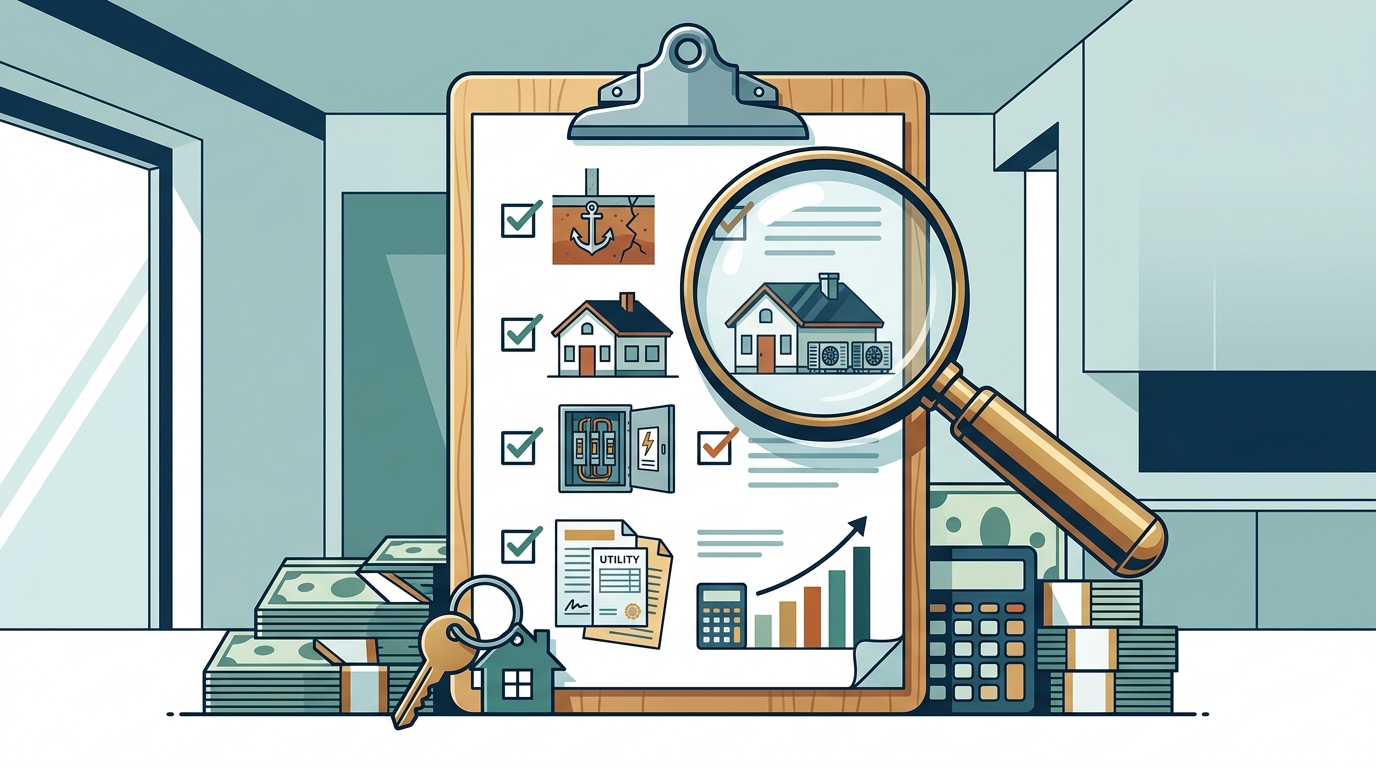
When you eventually sell, you will face significant expenses. Expenses to expect when selling your home include real estate commissions, title insurance, and transfer taxes. While you are buying, you must also budget for closing costs, which typically range from 2% to 5% of the purchase price. Understanding these numbers upfront prevents buyer's remorse and ensures you have sufficient cash reserves.
Property Taxes and Insurance
Property taxes vary significantly even within small geographic areas. In Salt Lake County, tax rates can fluctuate based on school district boundaries and municipal levies. Always verify the current tax bill and inquire about any pending special assessments. Additionally, homeowners insurance premiums are rising nationwide due to increased climate risks. The Insurance Information Institute reports that homeowners insurance claims have increased by over 20% in the last decade, making accurate insurance quotes a vital part of your evaluation process.
Location Dynamics and Neighborhood Metrics
Real estate is fundamentally about location. However, "location" is a broad term that encompasses more than just proximity to downtown. It includes school districts, crime rates, noise levels, and future development plans.
School District Quality
Even if you do not have children, the quality of the local school district impacts property values. Homes in top-rated school districts tend to hold their value better during market downturns. Data from the National Association of Realtors shows that homes in high-performing school districts appreciate at a faster rate than those in lower-rated districts. Use tools like GreatSchools to evaluate the academic performance of schools in the area.
Neighborhood Development and Zoning
Research future development plans in the vicinity. A new highway, shopping center, or industrial park can significantly impact your quality of life and property value. Conversely, the absence of development can preserve the rural charm of a property. Check with the local planning department for zoning changes that might affect your neighborhood. Urban Land Institute reports that mixed-use developments are becoming increasingly popular, which can boost property values if designed correctly.
Future-Proofing Your Investment
The home you buy today must meet your needs for the next five to ten years. Evaluating the property's adaptability to changing life circumstances is crucial for long-term satisfaction.
Flexibility and Expansion Potential
Consider whether the property can accommodate life changes. Do you need a home office? Will you need to care for aging parents? Properties with flexible floor plans, such as those with finished basements or detached guest houses, offer greater longevity. Brandon McBride emphasizes the importance of finding a home that fits your current and future lifestyle, not just your present one.
Energy Efficiency and Sustainability
Energy-efficient homes are not only better for the environment but also for your wallet. Look for features such as double-pane windows, proper insulation, and energy-efficient appliances. The U.S. Department of Energy states that energy-efficient homes can save homeowners up to 30% on utility bills. These savings accumulate over time, effectively increasing your net worth.
Key Takeaways
- Structural Integrity is Paramount: Never skip a professional inspection. Foundation and roof issues are costly and complex to repair.
- Calculate Total Cost of Ownership: Include taxes, insurance, maintenance, and potential renovation costs in your budget.
- Verify School Districts: Even without children, school ratings impact resale value and appreciation rates.
- Research Neighborhood Trends: Check for future development plans that could affect noise, traffic, and property values.
- Plan for the Future: Choose a home that can adapt to your life changes over the next decade.
- Leverage Expert Guidance: Work with an agent who understands local market dynamics and offers buyer protection programs.
- Understand Commission Structures: Be aware of the costs associated with selling your home in the future to make informed buying decisions.
Frequently Asked Questions
What is the most important factor when evaluating a property?
The most important factor is the structural integrity of the home. While location and price are critical, a home with significant structural issues can become a financial burden that outweighs its benefits.
How do school districts affect home values?
High-rated school districts generally lead to higher property values and faster appreciation. This is because families with children prioritize education, creating consistent demand for homes in these areas.
What are hidden costs in home buying?
Hidden costs include closing costs, immediate repairs, higher insurance premiums, and property taxes. It is essential to budget for these expenses to avoid financial strain.
Why is a home inspection necessary?
A home inspection reveals hidden defects in the property's condition, such as electrical issues, plumbing problems, or structural damage. This allows you to negotiate repairs or price reductions.
How can I protect myself as a home buyer?
Work with a trusted real estate agent who offers buyer protection programs. For example, Brandon McBride offers a "Love It or Leave It" guarantee, providing peace of mind during the buying process.
What is the "Love It or Leave It" program?
The "Love It or Leave It" program is a buyer protection plan that allows you to sell your home for free within the first 24 months if you do not love it, helping you find a new one without listing commission.
How do I evaluate neighborhood safety?
Use online crime mapping tools and visit the neighborhood at different times of day. Talk to current residents to get a sense of the community's vibe and safety.
Start Your Journey with Confidence
Evaluating properties requires a blend of analytical rigor and emotional intelligence. By focusing on structural integrity, financial transparency, and long-term lifestyle fit, you can make a decision that stands the test of time. Do not navigate this complex process alone. Partner with a professional who understands the nuances of the Utah market and is committed to your success. Contact Brandon McBride today to schedule a consultation and explore exclusive benefits designed to make your home buying experience seamless and stress-free.