
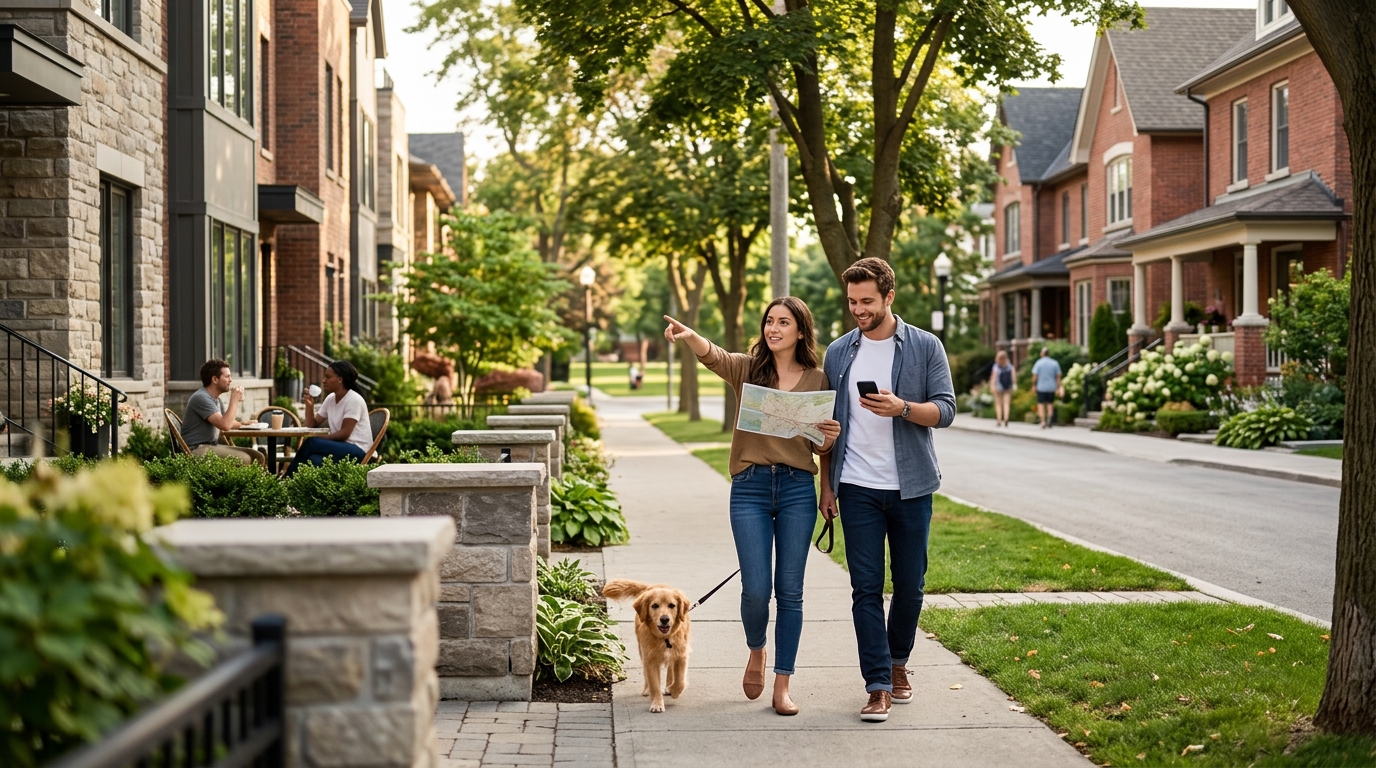
Finding the right home is only half the battle; the neighborhood determines your daily quality of life for years to come. According to recent housing market analyses, first-time buyers often prioritize walkability and school districts over square footage, with 72% of millennial homebuyers citing community amenities as a top decision factor. This guide breaks down the critical metrics you must evaluate before signing a contract, ensuring you make a confident, data-backed choice.
Financial Health and Affordability
Before falling in love with a property, you must evaluate the financial ecosystem of the neighborhood. Property taxes, insurance premiums, and HOA fees vary drastically even between adjacent streets. In Utah, for example, property tax rates can differ significantly between Salt Lake County and Davis County, impacting your long-term budget.
Property Tax Rates are a hidden cost that can erode your equity if not calculated early. Use online calculators to estimate annual costs based on the home's assessed value. Additionally, check for special assessments or upcoming infrastructure projects that might raise taxes.
Insurance costs are another critical variable. Neighborhoods prone to flooding, wildfires, or high theft rates will carry higher premiums. Flood risk maps provide essential data on whether a specific address requires mandatory flood insurance, which can add hundreds to your monthly payment.
When evaluating affordability, consider the mortgage calculator tools available to refine your budget. Brandon McBide's approach emphasizes transparency, helping buyers understand the true cost of ownership beyond the sticker price.
Commute Logic and Infrastructure
Your daily commute is a non-negotiable aspect of neighborhood evaluation. A shorter commute reduces stress, saves fuel, and increases free time. However, "short" is relative; you must evaluate the reliability of the route, not just the distance.
Test the commute during peak hours. Traffic patterns in Utah's Wasatch Front can shift dramatically during rush hour. Utah Department of Transportation reports show that major corridors like I-15 and I-80 experience significant congestion, making proximity to public transit or alternative routes vital.
Consider the following infrastructure metrics:
- Public Transit Access: Proximity to TRAX light rail or bus lines can reduce vehicle dependency.
- Walkability Scores: High walkability scores indicate fewer car trips for daily errands.
- Bike Lane Connectivity: Dedicated bike lanes improve safety and encourage active commuting.
If you work remotely, evaluate internet infrastructure. Fiber optic availability ensures reliable connectivity for video calls and large file transfers. FCC broadband reports can help verify the speed and reliability options in your target zip code.
Lifestyle Fit and Amenities
A neighborhood must align with your current lifestyle and future aspirations. Do you value quiet suburban streets or vibrant urban centers? Are you looking for hiking trails, pickleball courts, or fine dining?
Brandon McBride, a Salt Lake City real estate expert, often highlights the importance of local culture. Growing up in the same town as the film Napoleon Dynamite, he understands the unique charm of Utah's small-town aesthetics mixed with modern amenities. This cultural context matters when evaluating neighborhoods in Davis, Salt Lake, or Tooele counties.
Evaluate the following lifestyle indicators:
- Parks and Recreation: Access to green spaces improves mental health and provides outdoor activity options.
- Dining and Shopping: Proximity to grocery stores, restaurants, and retail centers adds convenience.
- Community Events: Neighborhoods with regular events foster a sense of belonging and safety.
For those interested in specific local perks, exclusive business discounts can enhance your lifestyle. From home decor to artificial lawns, local partners offer savings that make settling in more affordable.
Safety Metrics and Crime Data
Safety is a primary concern for most homebuyers. You must look beyond surface-level impressions and analyze hard data. Crime statistics provide an objective view of neighborhood security.
Use resources like NeighborhoodScout or local police department reports to assess crime rates. Look for trends over time rather than just current numbers. Is crime increasing or decreasing? What types of crimes are prevalent?
Violent vs. Property Crime: Distinguish between violent crime and property crime. A neighborhood might have high property crime but low violent crime, which affects your risk assessment differently.
Additionally, consider the physical environment. Well-lit streets, maintained sidewalks, and visible neighborhood watch signs often correlate with lower crime rates. Brandon's blog often discusses how community engagement plays a role in maintaining safe neighborhoods.
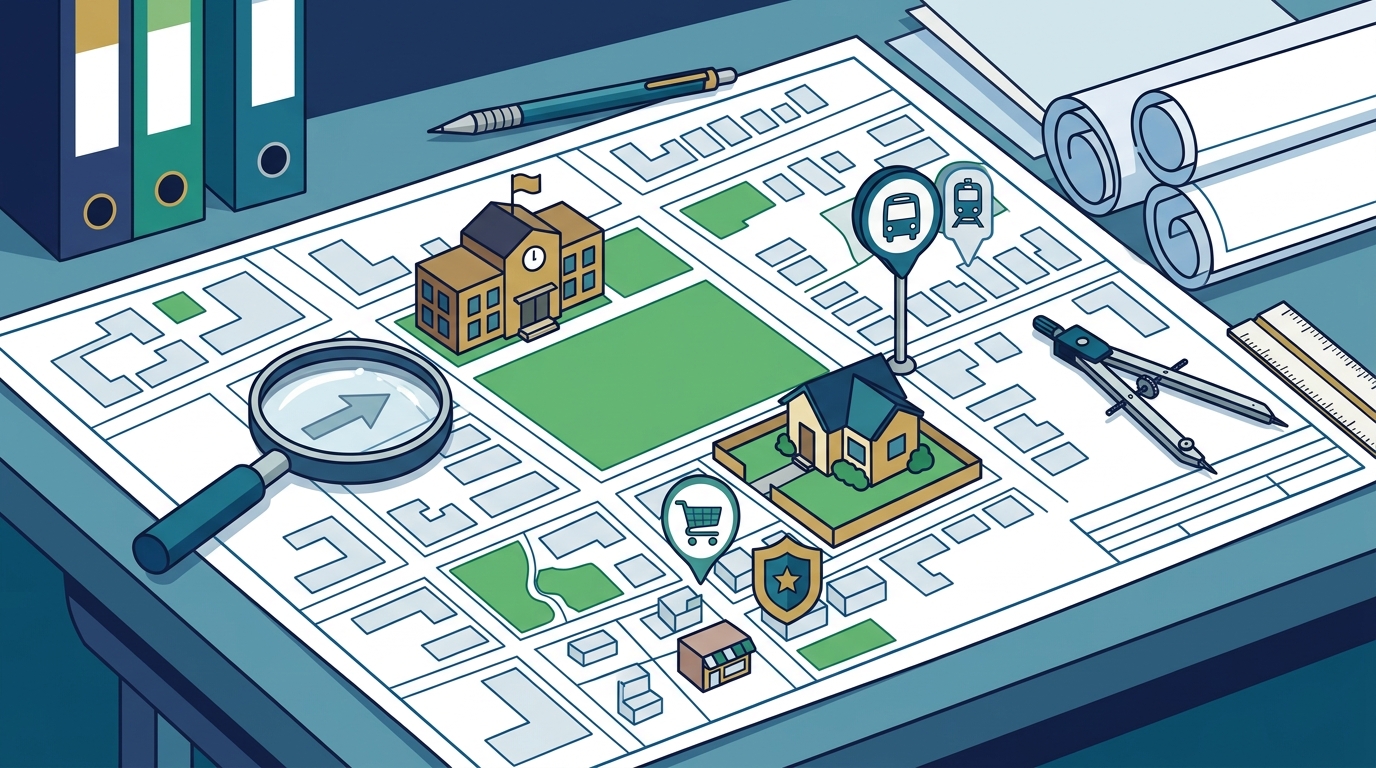
Future Growth and Resale Value
Even if you plan to stay long-term, understanding the neighborhood's growth trajectory is crucial for your financial health. Real estate is an investment, and location determines appreciation potential.
Evaluate the following growth indicators:
- New Development: Upcoming commercial or residential projects can boost property values.
- Job Market Growth: Proximity to growing employment hubs increases demand for housing.
- School District Ratings: Strong schools attract families, stabilizing and increasing home values.
According to Zillow's housing market reports, homes in top-rated school districts appreciate faster than those in lower-rated areas. This trend is consistent across Utah and national markets.
Brandon McBride's active listings often reflect these growth trends, offering insights into which areas are gaining momentum. His expertise in Salt Lake, Utah, Davis, and Tooele counties provides a localized perspective on market dynamics.
Key Takeaways
- Financial Transparency: Always calculate total monthly costs, including taxes, insurance, and HOA fees, not just the mortgage.
- Commute Testing: Drive your potential commute during peak hours to assess real-world traffic conditions.
- Lifestyle Alignment: Choose a neighborhood that supports your current hobbies and future family needs.
- Data-Driven Safety: Use official crime statistics and neighborhood reports to evaluate safety objectively.
- Growth Potential: Prioritize areas with strong job markets and school ratings for long-term appreciation.
- Local Expertise: Work with an agent who understands regional nuances, such as Brandon McBride in Utah.
- Community Engagement: Visit the neighborhood at different times of day to gauge the atmosphere.
Frequently Asked Questions
How do I evaluate school districts for my children?
Use online rating platforms like GreatSchools or Niche to compare school performance. Visit the schools during open houses to assess the environment and talk to current parents about their experiences.
What is a good walkability score?
A walkability score above 70 is generally considered "very walkable," meaning most errands can be accomplished on foot. Scores between 50 and 69 are "somewhat walkable," while below 50 indicates car dependency.
How can I check for flood risks in a neighborhood?
Use the FEMA Flood Map Service Center to view flood zone designations for specific addresses. Properties in high-risk zones may require mandatory flood insurance, increasing your monthly costs.
Why is commute time important for resale value?
Shorter commutes are a top priority for many buyers, making homes with convenient access to major highways or public transit more desirable and easier to sell in the future.
How do I find reliable local contractors?
Ask your real estate agent for recommendations. Brandon McBide maintains a curated contractor network to help buyers with home projects, ensuring quality and reliability.
What are the benefits of a "Love It or Leave It" program?
This buyer protection plan offers peace of mind by guaranteeing that if you don't love your home within 24 months, Brandon will sell it for free and help you find a new one, reducing the risk of buyer's remorse.
How does Brandon McBride help first-time buyers?
Brandon provides a VIP Buyer Program with exclusive benefits, including early access to listings, contractor networks, and personalized guidance through the home loan process, ensuring a stress-free experience.
Start Your Home Search with Confidence
Evaluating neighborhoods requires a blend of data analysis and personal intuition. By focusing on financial health, commute logic, lifestyle fit, safety, and growth potential, you can make a confident decision. Brandon McBride offers a VIP Buyer Program designed to guide first-time buyers through every step of the process. Contact Brandon today to schedule a consultation and explore exclusive listings in Salt Lake, Utah, Davis, and Tooele counties.