
Common Mistakes First-Time Home Buyers Make When Choosing Neighborhoods
Choosing the right neighborhood is arguably the most critical decision in the home-buying journey. According to recent housing market analyses, location remains the primary driver of long-term property value appreciation, often outweighing the impact of the home's physical condition. For first-time buyers, this choice is not just about finding a house; it is about securing a lifestyle, a community, and a financial asset that will hold its worth for decades. Many new buyers focus exclusively on the interior features of a property, such as kitchen appliances or square footage, while neglecting the external environment. This oversight can lead to regrettable purchases, financial strain, and a sense of isolation. In this guide, we will explore the most frequent errors first-time buyers make when evaluating neighborhoods and provide actionable strategies to avoid them.
Underestimating the True Cost of Commuting
One of the most common mistakes first-time buyers make is relying on straight-line distance rather than actual travel time. A home might appear to be only ten miles from your workplace, but if it requires navigating heavy traffic corridors or unreliable public transit, the daily reality can be exhausting. Time is a finite resource, and long commutes significantly impact work-life balance and mental health. When evaluating a neighborhood, you must test the commute during your actual work hours, not just on a quiet weekend afternoon. Traffic patterns in Salt Lake City and surrounding areas can vary drastically depending on the time of day and season. Use mapping tools to simulate your daily drive, accounting for potential construction zones or rush hour bottlenecks. If you plan to use public transportation, verify the reliability and frequency of bus or train lines in that specific area. A shorter commute can often justify a higher home price by saving you thousands of dollars in fuel and vehicle maintenance annually.
Ignoring Future Development Plans
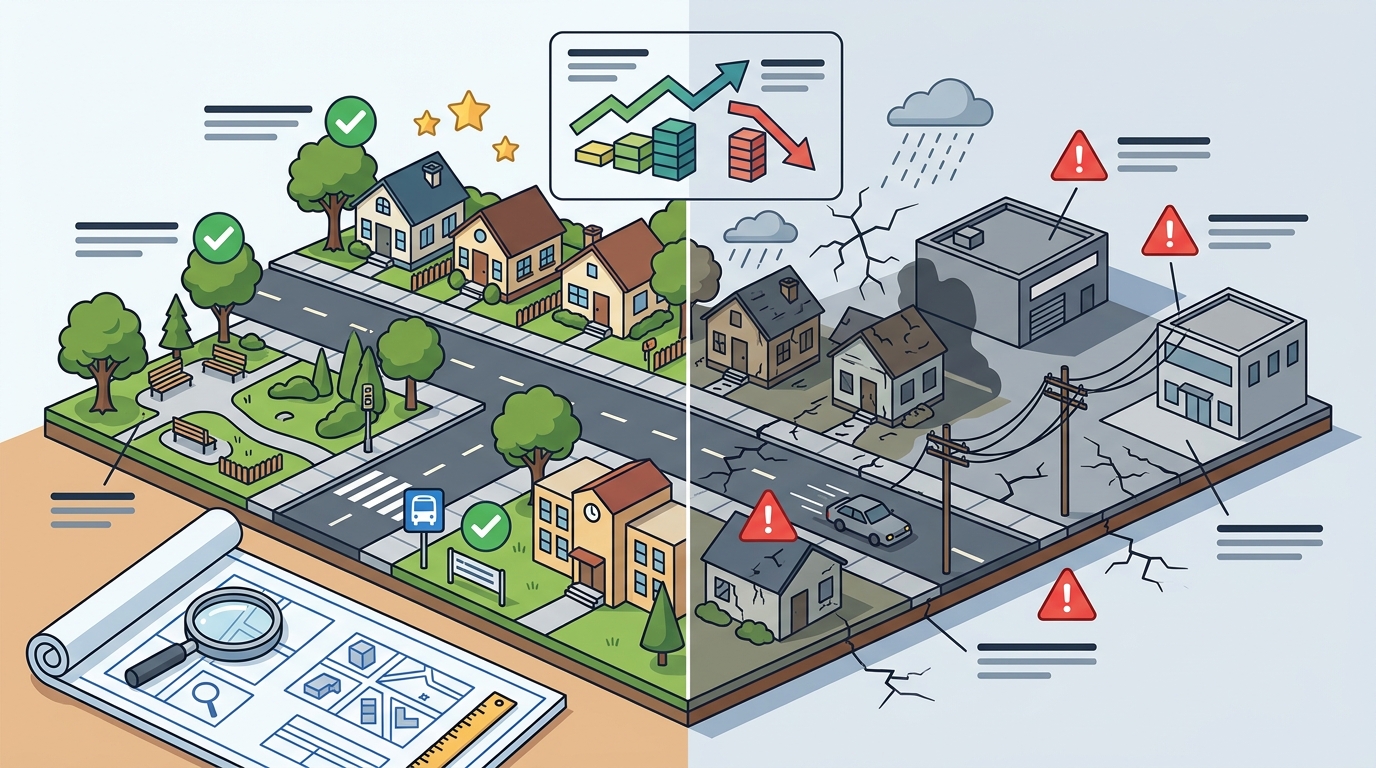
Neighborhoods are dynamic entities that change over time. Buyers often fall in love with the current state of a community without considering what is planned for the future. This can lead to unexpected noise, traffic, or loss of privacy. Conversely, ignoring positive developments means missing out on potential value appreciation. You should research local zoning laws and municipal development plans to understand what is being built nearby. Is a new highway being constructed? Is a commercial district planned adjacent to a residential zone? These factors can significantly alter the desirability of a property. Conversely, the addition of parks, libraries, or transit hubs can boost property values and quality of life. Staying informed about local government meetings and planning commission updates can provide early insights into these changes. Being proactive allows you to make an informed decision rather than reacting to surprises after closing.
Overlooking School District Quality
Even if you do not have children, school district ratings are a crucial factor in neighborhood desirability and home value retention. Strong school districts attract families who are often long-term residents, creating stable communities and consistent demand for housing. This demand helps protect your investment during market downturns. According to real estate data, homes in top-rated school districts often sell faster and at higher prices than comparable homes in lower-rated areas. This trend holds true regardless of the buyer's personal circumstances. When researching a neighborhood, look beyond the average test scores. Visit the schools if possible, talk to parents in the community, and review the district's financial health. A school district's reputation can influence everything from property taxes to the types of businesses that open in the area. Understanding the educational landscape helps you gauge the overall stability and appeal of the community.
Neglecting Local Amenities and Lifestyle Fit
A neighborhood is more than just a collection of houses; it is a ecosystem of amenities that support your daily life. First-time buyers often overlook the importance of proximity to grocery stores, healthcare facilities, restaurants, and recreational spaces. If you value outdoor activities, check for nearby hiking trails, parks, or golf courses. If you prefer urban convenience, ensure you are close to public transit and dining options. The "walkability" of a neighborhood can significantly impact your daily happiness and convenience. Use walkability scores and local maps to assess how easy it is to run errands without a car. Additionally, consider the social vibe of the area. Does it feel welcoming? Are there community events or groups that align with your interests? A neighborhood that matches your lifestyle will feel like home from day one. Ignoring these factors can lead to a sense of disconnect and frustration over time.
Focusing Only on Purchase Price
While the purchase price is a major consideration, it is not the only cost associated with a home. Buyers often make the mistake of stretching their budget to the absolute limit, leaving little room for unexpected expenses. You must account for property taxes, homeowners insurance, HOA fees, and maintenance costs. These recurring expenses can vary significantly between neighborhoods. For example, homes in areas with high-end amenities or top-tier schools may have higher property taxes. Conversely, neighborhoods with active Homeowners Associations (HOAs) will have monthly fees that cover shared services. Understanding the total cost of ownership is essential for long-term financial health. A slightly more expensive home in a stable neighborhood with lower taxes might be a better financial decision than a cheaper home in an area with high fees and rising tax rates. Always run a comprehensive budget analysis before making an offer.
Skipping Multiple Visit Times
Visiting a neighborhood only once is a critical error. The atmosphere of a community can change dramatically depending on the time of day and day of the week. A quiet street during the day might be noisy at night due to nightlife or traffic. A peaceful suburb on a Tuesday morning might be congested on a Friday evening. You should visit the neighborhood at different times to get a complete picture. Walk around the block, listen to the noise levels, and observe the condition of neighboring properties. Check for parking availability, especially if you live in an area with limited street parking. Pay attention to the general upkeep of homes and yards, as this can indicate the level of community pride and investment. By visiting multiple times, you can identify potential issues that might not be apparent during a single, brief tour. This due diligence helps ensure that the neighborhood fits your lifestyle in all aspects.
Comparing Neighborhood Options
To help you evaluate different areas, consider the following factors when comparing potential neighborhoods:
| Factor | Why It Matters | What to Look For |
|---|---|---|
| Commute Time | Impacts daily quality of life and costs | Test drive during rush hour |
| School Ratings | Affects resale value and community stability | Check district report cards and reviews |
| Future Development | Can increase or decrease property value | Review local zoning and planning documents |
| Local Amenities | Determines convenience and lifestyle fit | Map proximity to grocery, parks, and transit |
| Total Cost of Ownership | Ensures long-term financial feasibility | Calculate taxes, insurance, and HOA fees |
Key Takeaways
- Commute Reality: Always test your commute during actual work hours to avoid underestimating travel time.
- Development Awareness: Research local zoning and future construction plans to anticipate changes in the neighborhood.
- School District Impact: Even without children, strong school districts protect your home's resale value.
- Lifestyle Alignment: Choose a neighborhood that supports your daily habits, whether that is walkability or outdoor access.
- Total Cost Analysis: Look beyond the purchase price to include taxes, insurance, and HOA fees.
- Multiple Visits: Visit the neighborhood at different times of day to gauge noise and traffic patterns.
- Professional Guidance: Work with an experienced agent who knows the local market nuances.
Frequently Asked Questions
How important are school districts for home value?
School districts are extremely important for home value, even if you do not have children. Homes in top-rated school districts tend to hold their value better and sell faster because they attract a large pool of family buyers. This consistent demand creates a more stable market for your investment.
What is the best way to check neighborhood safety?
You can check neighborhood safety by reviewing crime maps provided by local law enforcement, talking to current residents, and visiting the area at different times. Look for signs of community engagement, such as well-maintained homes and active neighborhood groups.
Should I consider future resale value when choosing a neighborhood?
Yes, you should always consider future resale value. Look for neighborhoods with strong fundamentals, such as good schools, low crime rates, and convenient access to amenities. These factors are likely to remain desirable to future buyers, ensuring your home's long-term worth.
How can I find out about planned developments in an area?
You can find out about planned developments by attending local city council or planning commission meetings, checking municipal websites for zoning changes, and talking to local real estate agents who have their finger on the pulse of community growth.
What role do HOAs play in neighborhood selection?
HOAs (Homeowners Associations) can maintain property values and provide amenities, but they also come with rules and fees. Review the HOA documents carefully to understand the restrictions and costs. Ensure that the rules align with your lifestyle and that the fees are reasonable for the services provided.
Is it better to buy in a growing or established neighborhood?
Both growing and established neighborhoods have pros and cons. Established neighborhoods often have mature trees, established communities, and convenient locations. Growing neighborhoods may offer newer homes and potential appreciation but might lack some amenities or have ongoing construction noise. Consider your personal preferences and long-term goals.
How do I evaluate the walkability of a neighborhood?
You can evaluate walkability by using online walkability scores, visiting the area on foot, and checking the proximity of essential services like grocery stores, pharmacies, and parks. A walkable neighborhood can reduce your reliance on cars and improve your daily convenience.
Start Your Home Buying Journey with Confidence
Avoiding these common mistakes can save you from costly regrets and help you find a home you truly love. Working with an experienced real estate professional who understands the local market is essential. Brandon McBride offers a VIP Buyer Program designed to guide first-time buyers through every step of the process. From identifying the right neighborhoods to negotiating the best terms, his expertise ensures a smooth and stress-free experience. Learn more about Brandon's approach to helping clients achieve their real estate goals. Read his latest blog posts for more insights on the Utah housing market. View his current listings to see available properties in top neighborhoods. Watch his video guides for practical tips on buying and selling. Understand the expenses involved in your real estate transactions. Explore exclusive local deals available to his clients. Contact Brandon today to schedule a consultation and take the first step toward your dream home.